
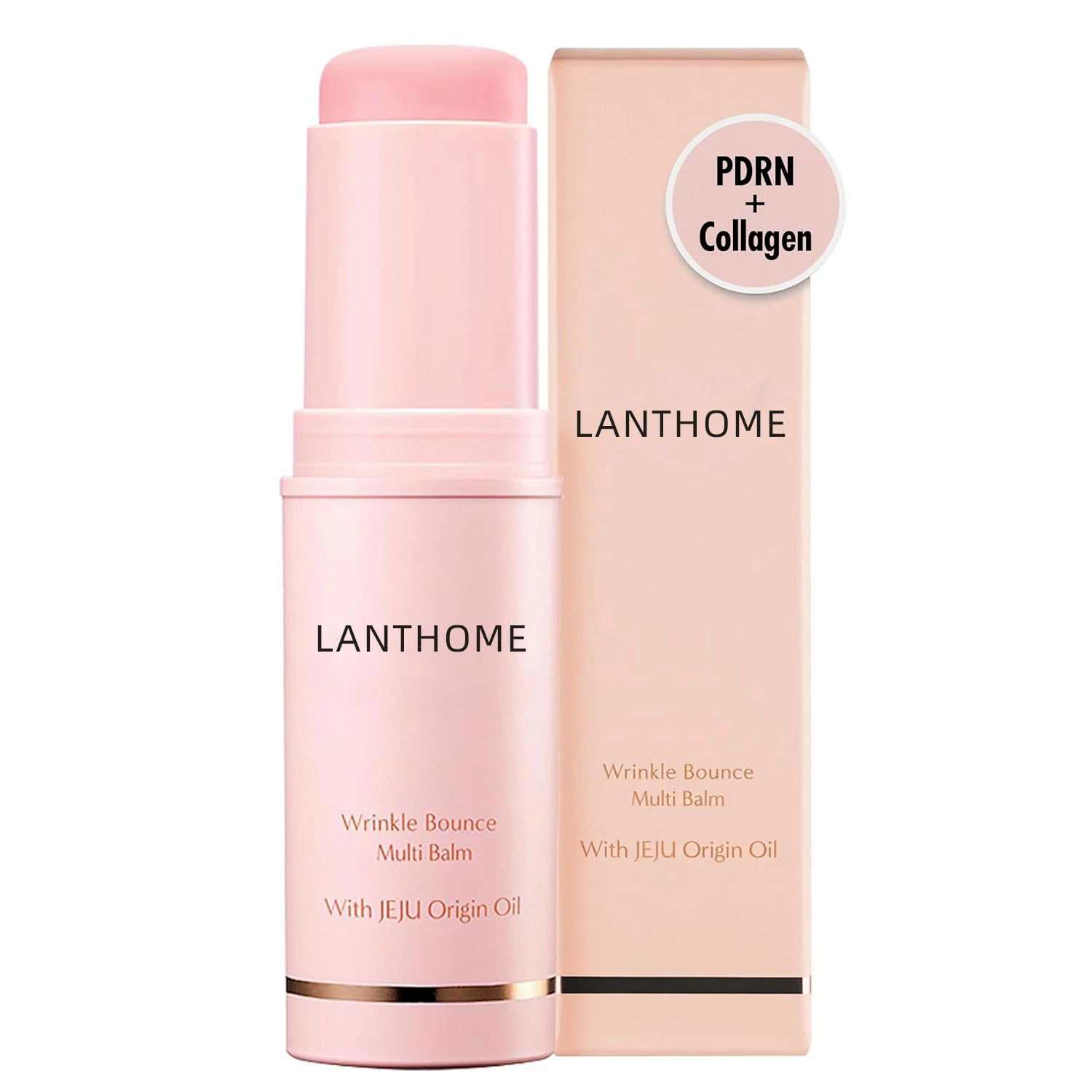
Private Label Multi Balm Stick PDRN Collagen Anti Wrinkle Stick Korean
Private Label Multi Balm Stick PDRN Collagen Anti Wrinkle Stick Korean Skin Care All-in-One Hydrating Face Serum Balm
View productThis hub is written for brand owners, DTC and Amazon sellers, distributors and agencies who need sun care manufactured rather than picked off a shelf. It treats a sunscreen lotion as a project with four stages — brief, reference specification, sample round and artwork sign-off — because those are the stages that decide whether a launch lands on time. If your concept is a lighter fluid base, the same sequence applies to a lotion sunscreen positioned as daily face care. Every route below ends in an inquiry rather than a cart: you send the brief fields, the formula and presentation are matched to them, and nothing goes to print until the specification is confirmed.
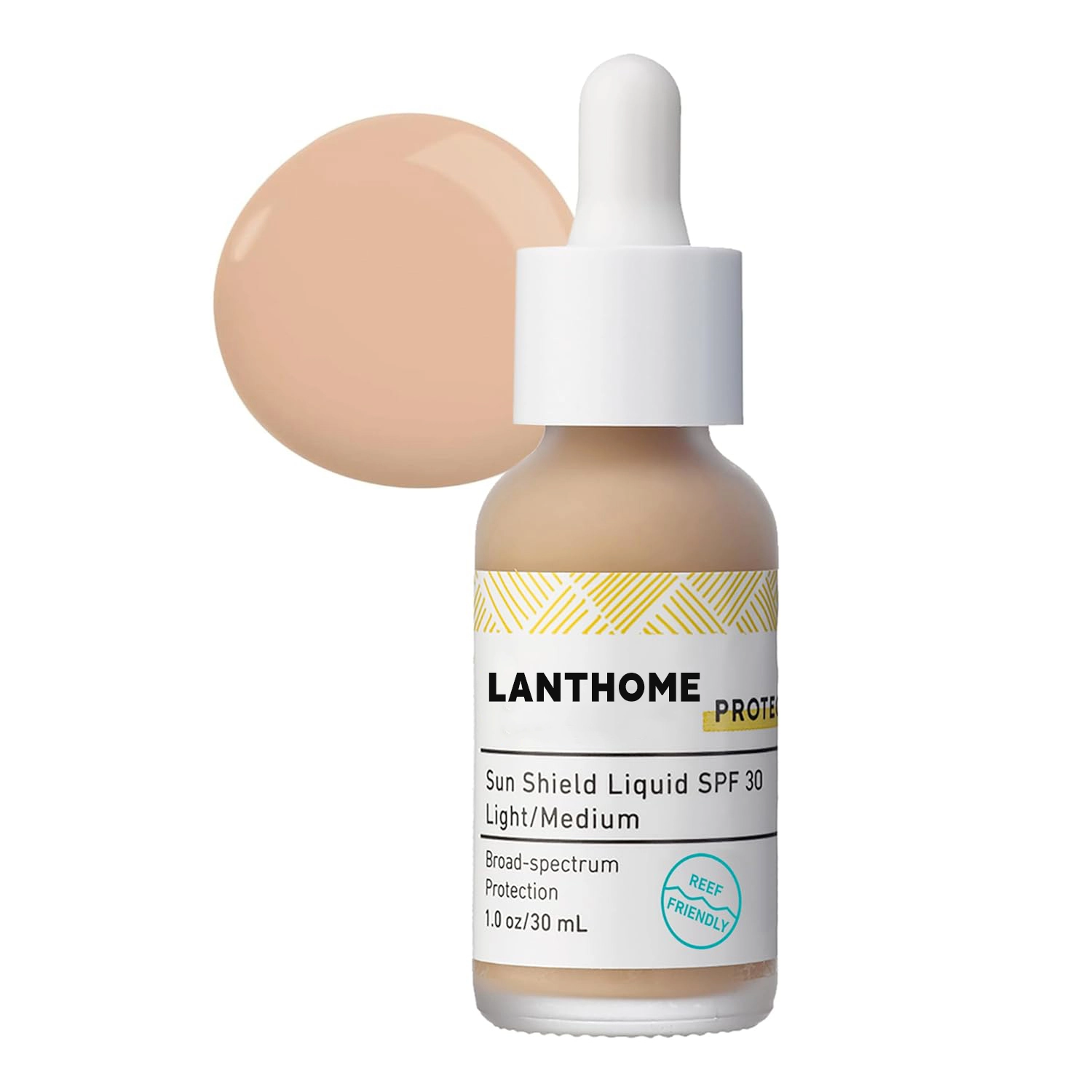
Four formats cover most private-label sun-care launches. Each one below states when to pick it and which brief field it changes — so you choose a direction before you choose a component.
Pick this whenThe SKU has to read as familiar sun care on shelf — face and body, mainstream retail, a broad age range of users.
Brief impactThe format sets the fill volume, the tube or pump decision, and the texture your sample round will be judged against.
Pick this whenThe product is sold as daily face care and layered under makeup rather than used as a beach product.
Brief impactThinner fluids usually pair with droppers or airless pumps, so state the layering claim early and let the presentation follow it.
Pick this whenOne SKU has to deliver protection plus light coverage or a primer step, cutting the number of products in the routine.
Brief impactShade names, coverage tolerance and tint wording must be settled before artwork — the PS88-S reference below is this direction.
Pick this whenReapplication on the move is the point — travel kits, sport, handbag and pocket formats.
Brief impactA stick is a different tooling and component conversation, so raise it in the first message rather than after sampling.
Seven fields turn a concept into something a factory can quote and a designer can lay out. Write them down before you send an inquiry; each one is listed with why it has to be settled before artwork, not after.
| Brief field | What to write | Why it matters before artwork |
|---|---|---|
| 1Target market | The country or region you sell in, the channel (retail, marketplace, DTC) and any local labelling rule you already know about. | Claim wording and language panels change by market, and they are printed — not stickered on later. |
| 2Physical format | Lotion, serum, oil, tinted serum or stick, plus the texture you expect on skin. | The format decides the fill method, the component and what your sample is judged against. |
| 3SPF claim | The SPF number you intend to print and whether broad-spectrum wording is required in your market. | The number on pack has to match the formula that is produced; it cannot be adjusted at the print stage. |
| 4Tint and coverage | Sheer tint, medium coverage, primer layer or no tint at all, plus the shade direction you want to start from. | Shade names and coverage tolerance have to be fixed before shade-specific artwork goes to press. |
| 5Net weight | The fill you plan to sell — for example 30 mL for trial and travel, 60 mL for face, 150 mL for body or value packs. | Fill drives the component, the carton dimensions and the unit price you will be quoted. |
| 6Packaging direction | Bottle, tube, dropper, airless or stick, plus decoration: label, silk screen, soft-touch or matte finish. | Component lead time usually sets the launch date, and a dieline must exist before artwork can be laid out. |
| 7Claims to print | Front-of-pack copy and every back-of-pack claim, including ingredient callouts and any primer or coverage language. | Each printed claim needs substantiation for the target market; unsubstantiated copy is the most common cause of reprints. |
A worked example of what a matched reference looks like. Read it as a starting point for a tinted, primer-positioned sun-care SKU, then confirm every line in your own sample and quotation.
The product page presents PS88-S as a lightweight, tinted zinc serum/oil that also uses foundation and makeup-primer language, states broad-spectrum protection, and describes oil control and hydrating benefits for all skin types. The same page is explicit that the exact physical format, ingredient profile, shade, coverage and the SPF 30 descriptor should be agreed before package artwork is approved — bentonite clay appears in the title as an ingredient direction whose identity and role in the final formula should be confirmed.
Half of a sun-care project is the buyer's call and half is a formula fact that has to be checked. Keeping the two lists apart is what stops a reprint.
A practical rule for the project: anything that will be printed belongs in the right-hand column until someone has confirmed it in writing.
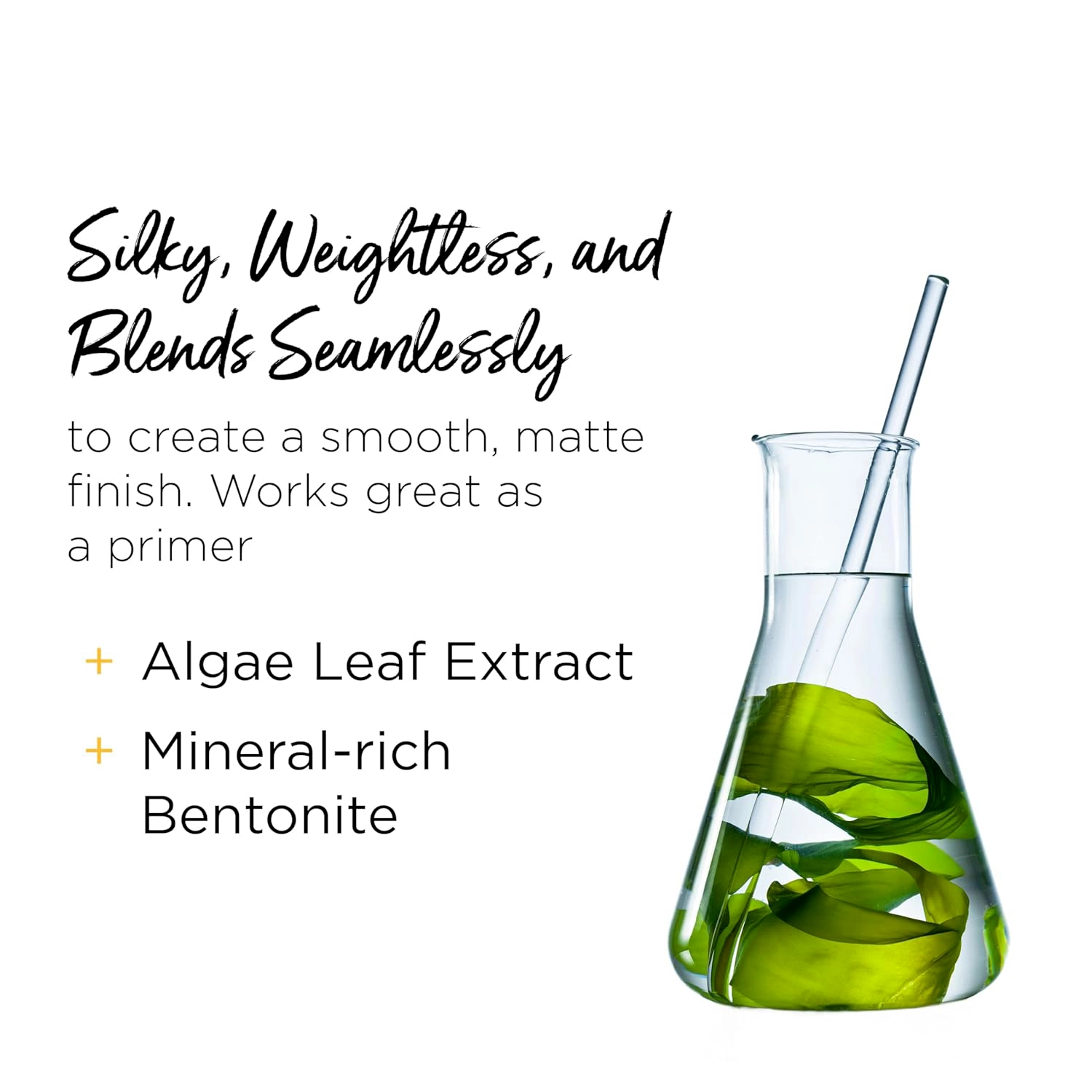
Packaging direction is a buyer choice; component compatibility with the formula should be confirmed in writing.
There is no checkout on this route. Four steps move a brief to a signed-off label, and each one has an input you control.
Use the contact form and put the working detail in the message: format, packaging direction and target market. Those three lines are what make a first reply specific instead of generic.
Refer to the product page for the reference you want matched — citing PS88-S lets the formula and the presentation be aligned to your project rather than described from scratch. You receive pricing at your chosen fill weight and quantity.
Judge texture, tint depth, shade, fill appearance and the component together. Write your approval criteria before the sample arrives so the decision is about the product, not about the moment.
Confirm the pre-artwork items first — exact format, ingredient profile, shade and coverage, and the SPF 30 descriptor — then approve the dieline and copy. Production follows the signed artwork, not a verbal brief.
Seven questions worth raising while changes are still cheap. Ask them in writing and keep the answers with the approved specification.
SPF and broad-spectrum wording is not a design choice — it is a claim that has to survive scrutiny in the country where you sell. Treat the number, the descriptor and the supporting documentation as a single decision, agree it before the artwork file is released, and keep the agreed wording on file next to the approved sample.
Find the launch situation closest to yours, note the starting point it suggests, and carry the confirmation item into your first message.
| Your scenario | Start with | Confirm before artwork |
|---|---|---|
| First sun-care SKU for a mainstream retail channel | PS88-S at 60 mL or 150 mL, with packaging chosen for shelf presence. | SPF 30 and broad-spectrum substantiation for that market, plus the required retail label panel. |
| Marketplace or DTC launch aimed at makeup wearers | PS88-S at 30 mL, positioned as a tinted serum and primer step. | Shade range, coverage tolerance and the exact primer wording. |
| Travel, trial or sampler programme | PS88-S at 30 mL as the entry size in a set. | Available label area at small fill and component availability at that size. |
| Distributor building a multi-SKU portfolio | PS88-S plus one adjacent SKU from the range below. | Per-market claim wording and a consistent pack architecture across the line. |
| Reapplication product for on-the-go use | A stick format raised in the very first inquiry. | Whether the format is available for your market and what tooling lead time applies. |
Send the seven brief fields, name the reference you want matched and tell us the market you sell into. You will get a quotation at your fill weight and quantity, then a sample round, then artwork sign-off — in that order.
Keep adjacent product options together for a faster catalog comparison.
Private Label Multi Balm Stick PDRN Collagen Anti Wrinkle Stick Korean Skin Care All-in-One Hydrating Face Serum Balm
View product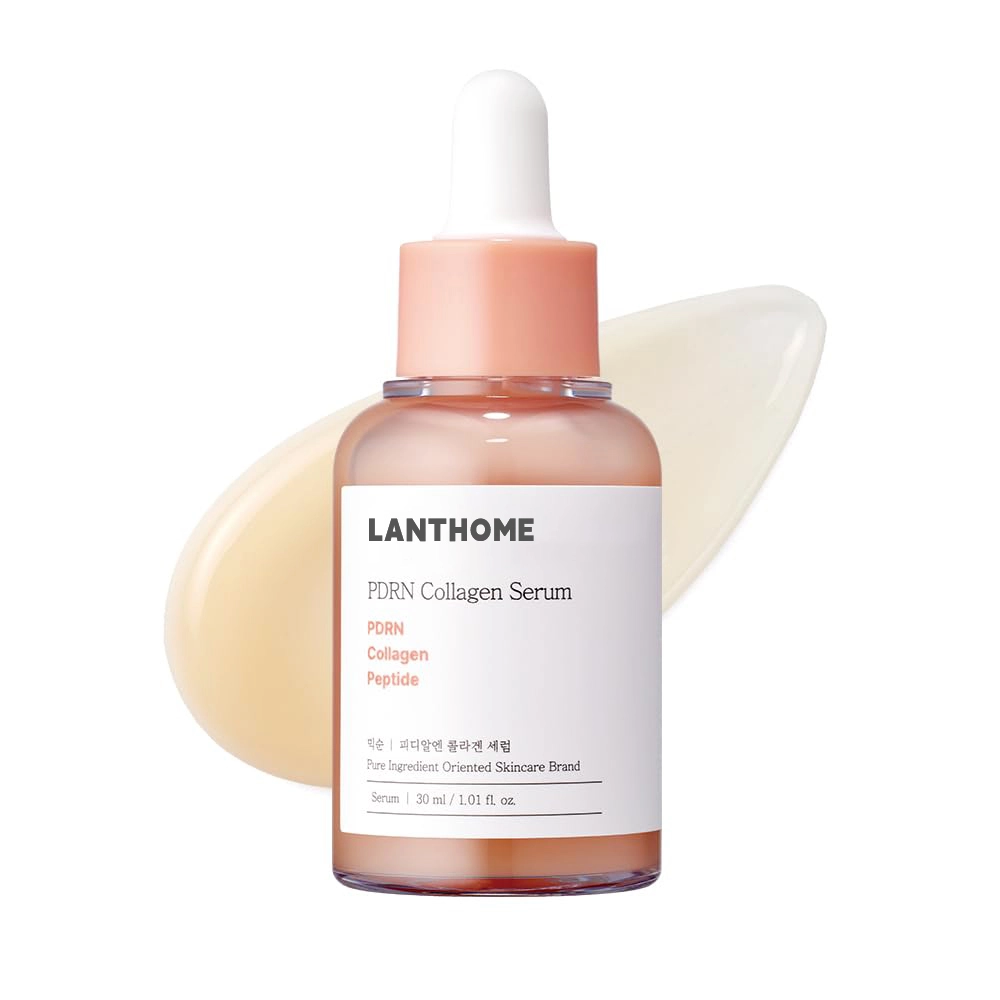
Evaluate a private label PDRN collagen face serum with Lanthome Skincare. Compare stock testing, light customization and OEM/ODM routes for your target market.
View product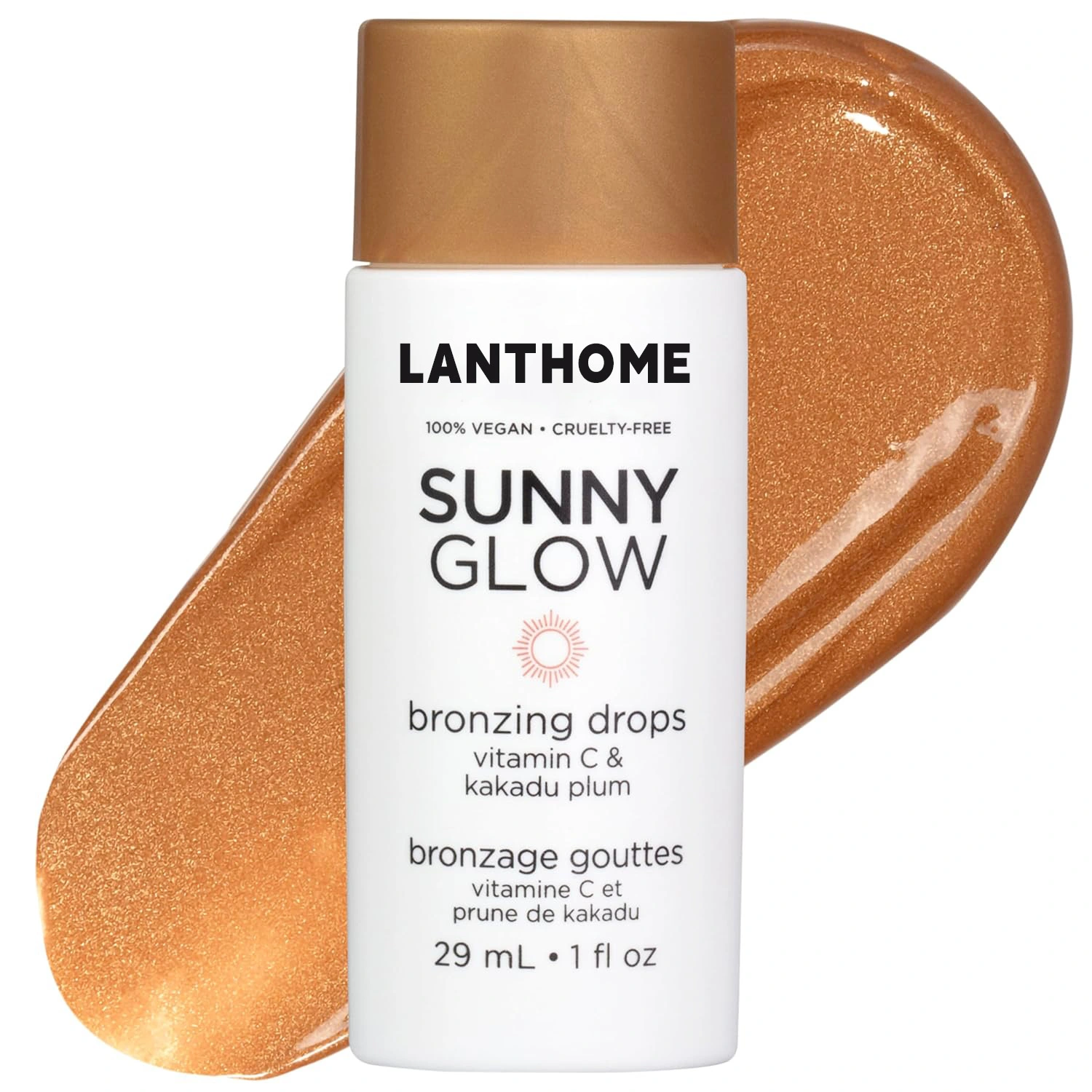
Manufacturer of sunscreen lotion with SPF 50 liquid face bronzer drops. Features OEM customization and factory direct supply, ideal for skin care private label manufacturers.
View productLotion, serum, oil, tinted serum and stick — the format decides the fill method and the component.
PS88-S is the reference specification listed on the page.
The SPF number you intend to print and whether your market requires broad-spectrum wording; the claim has to match the formula that is produced.
30 mL for trial and travel, 60 mL for face, 150 mL for body or value packs.
Target market, physical format, SPF claim, tint and coverage, net weight, packaging direction and every printed claim.
Inquiry, then sample, then artwork sign-off, before deposit and production.