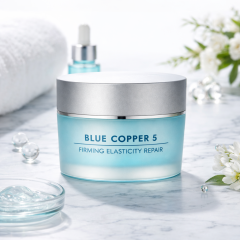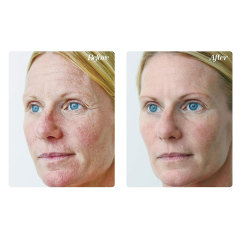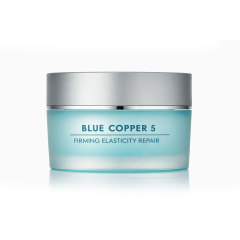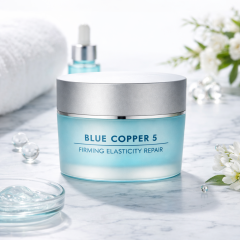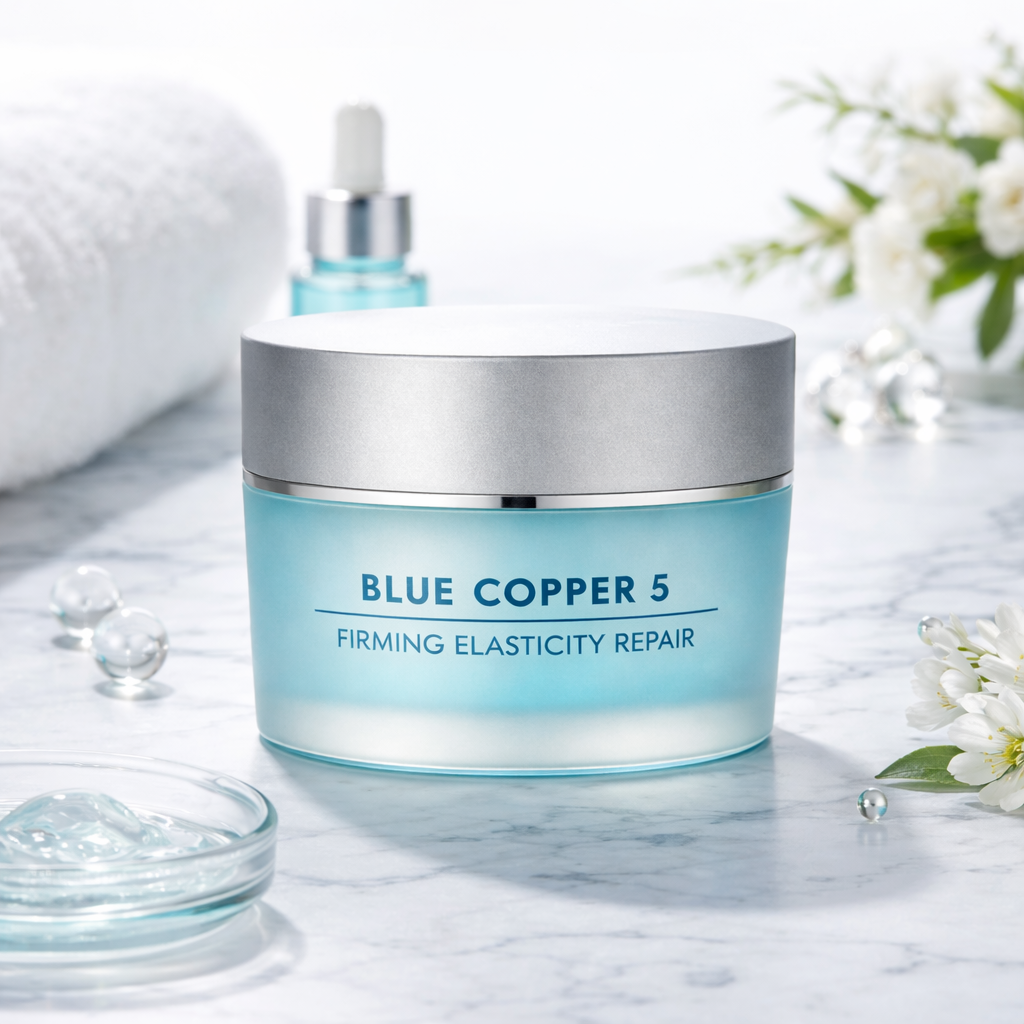
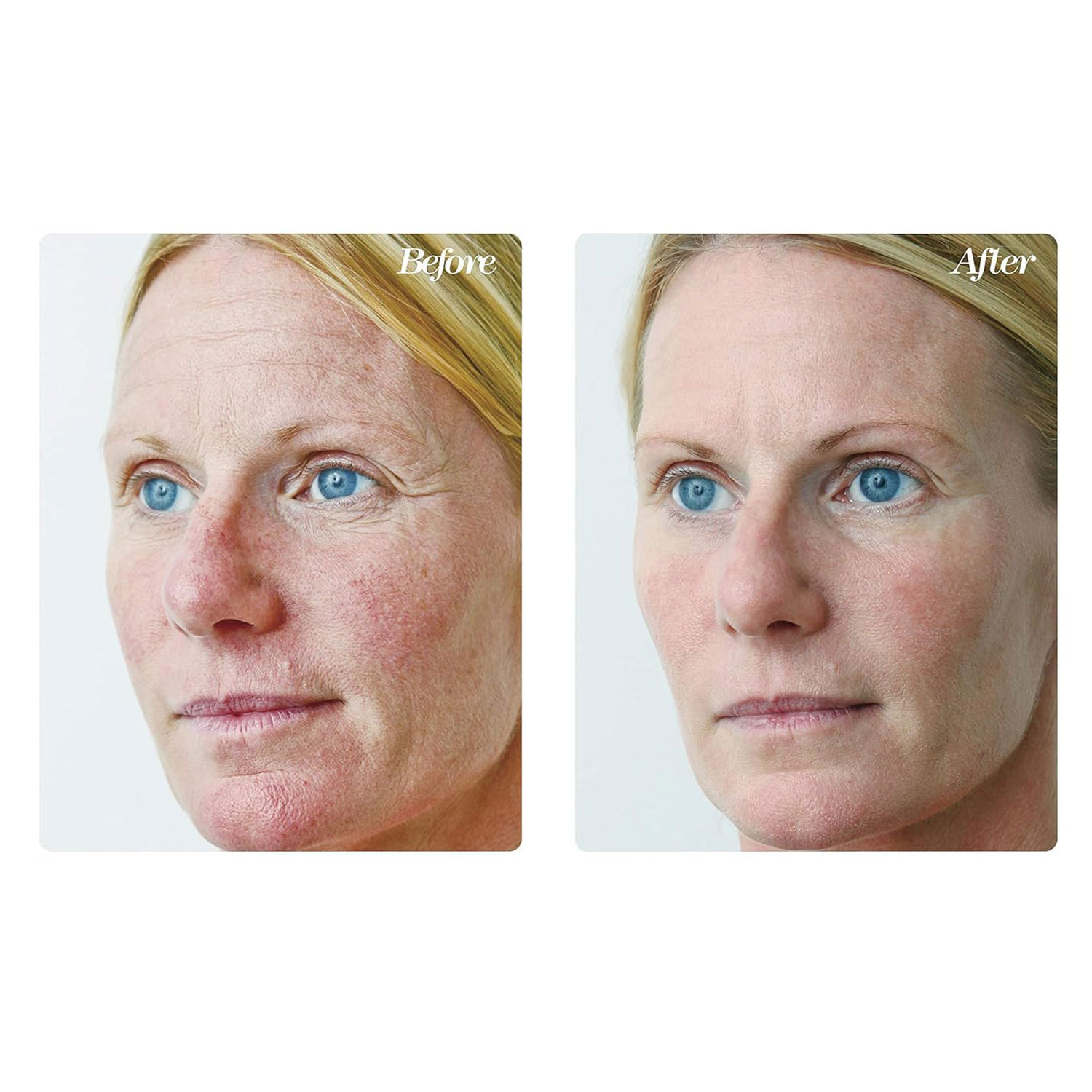
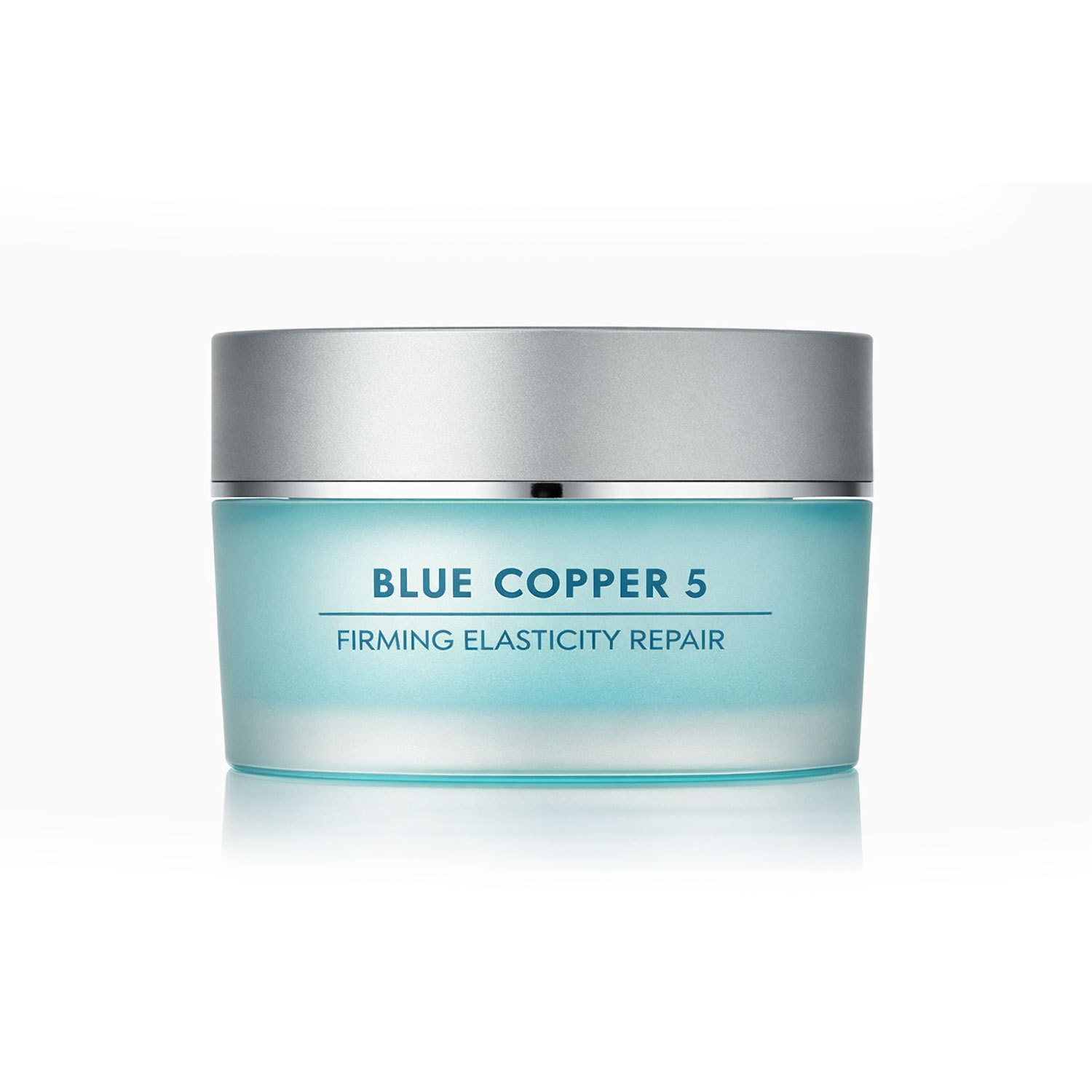
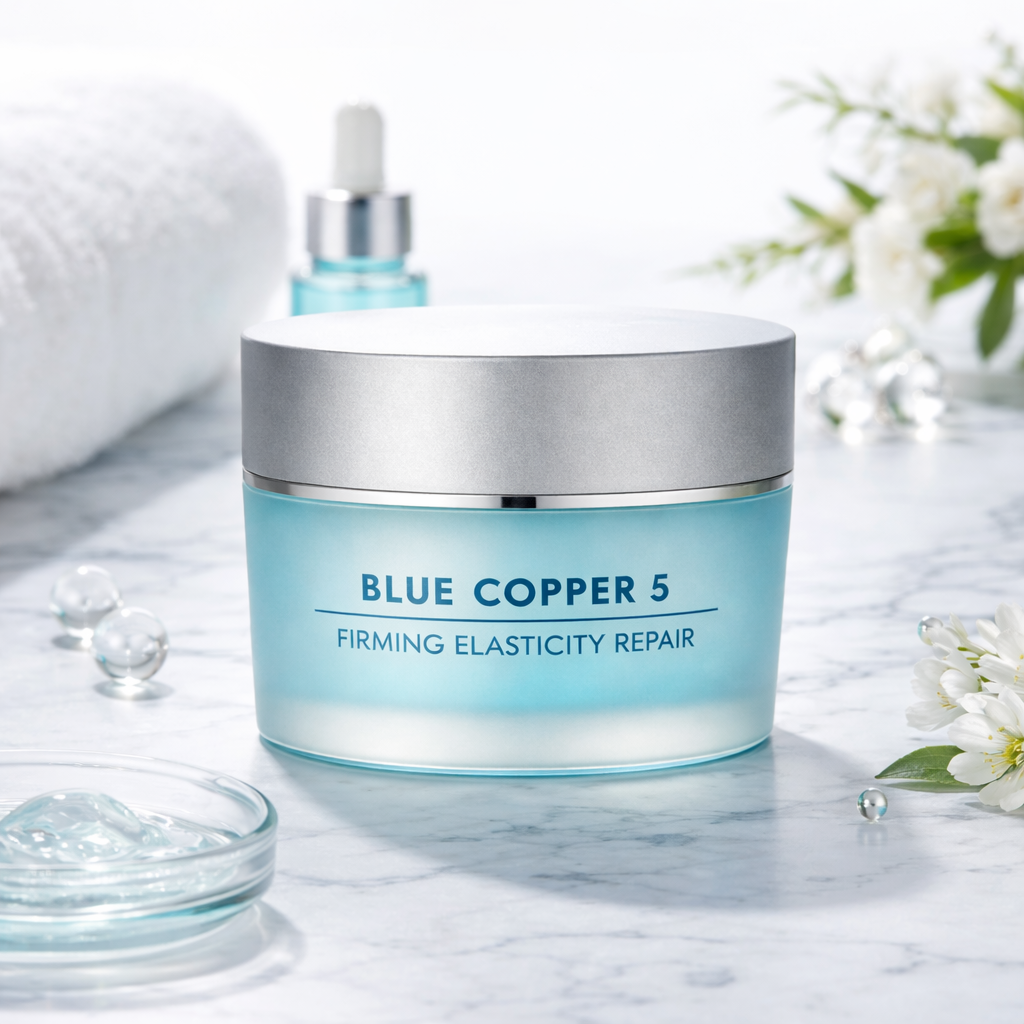
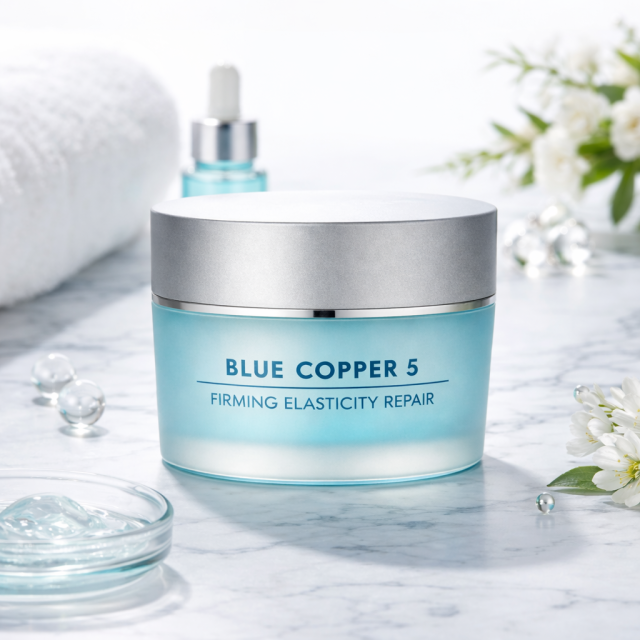
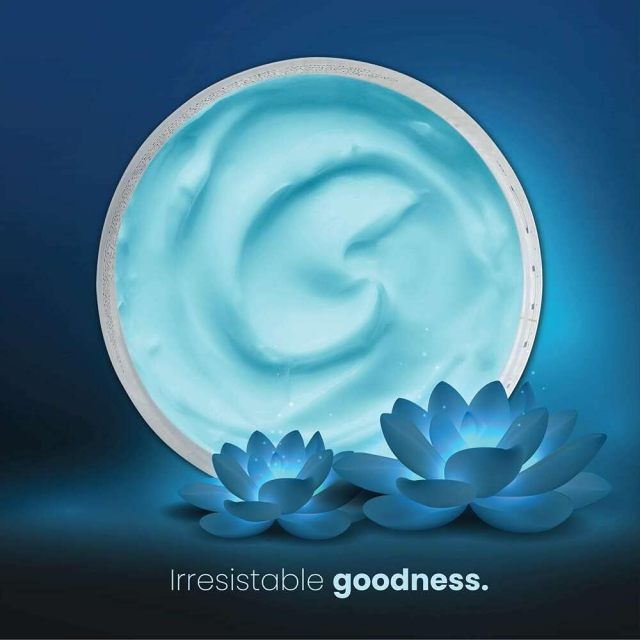
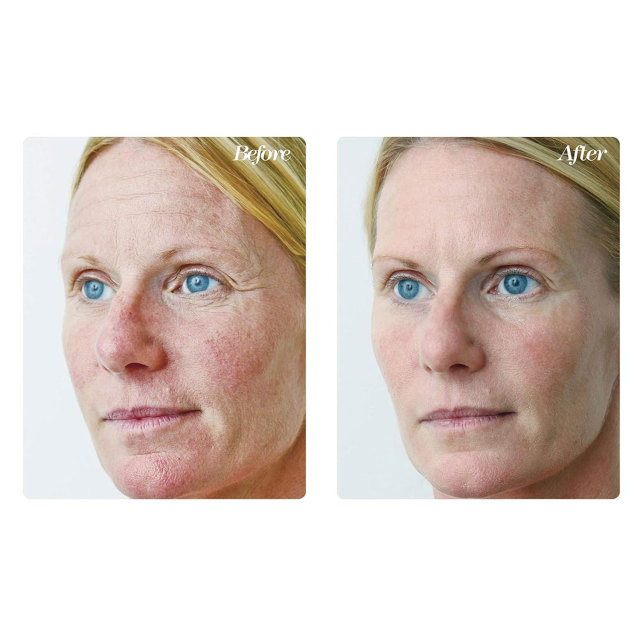
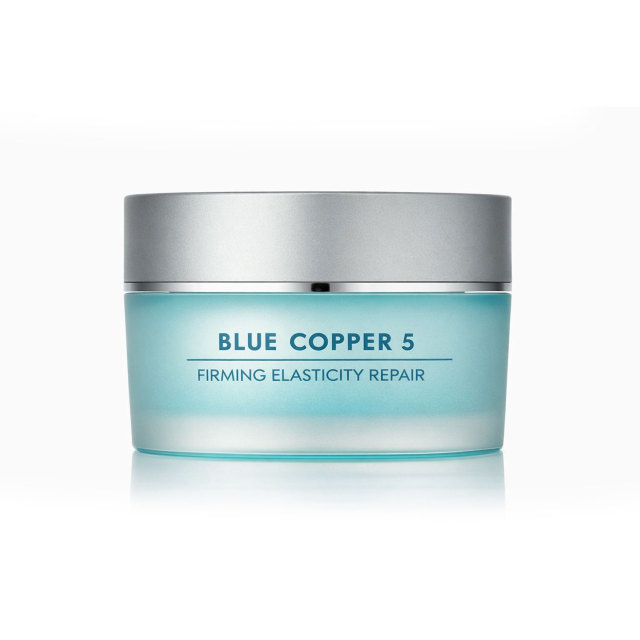
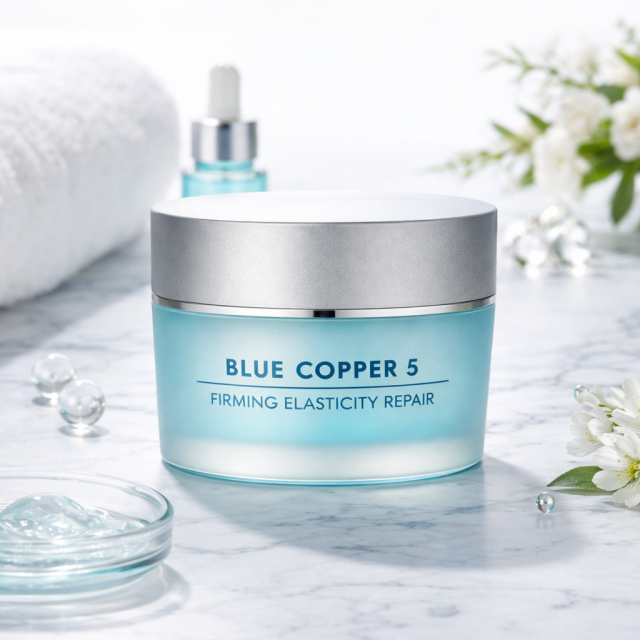
This beef tallow face-cream concept combines a tallow-led ingredient story with green tea and blue copper peptide references. Ingredient origin and the exact copper-peptide identity are important parts of the sample brief. Review the formula, texture and pack together, with the approved specification defining which ingredient names and sourcing statements can be used in the final branded presentation.
Review the cream’s consistency, scent and appearance after storage, and ask for ingredient-origin details if grass-fed beef tallow is central to the brand story. Packaging should be matched to the approved texture.
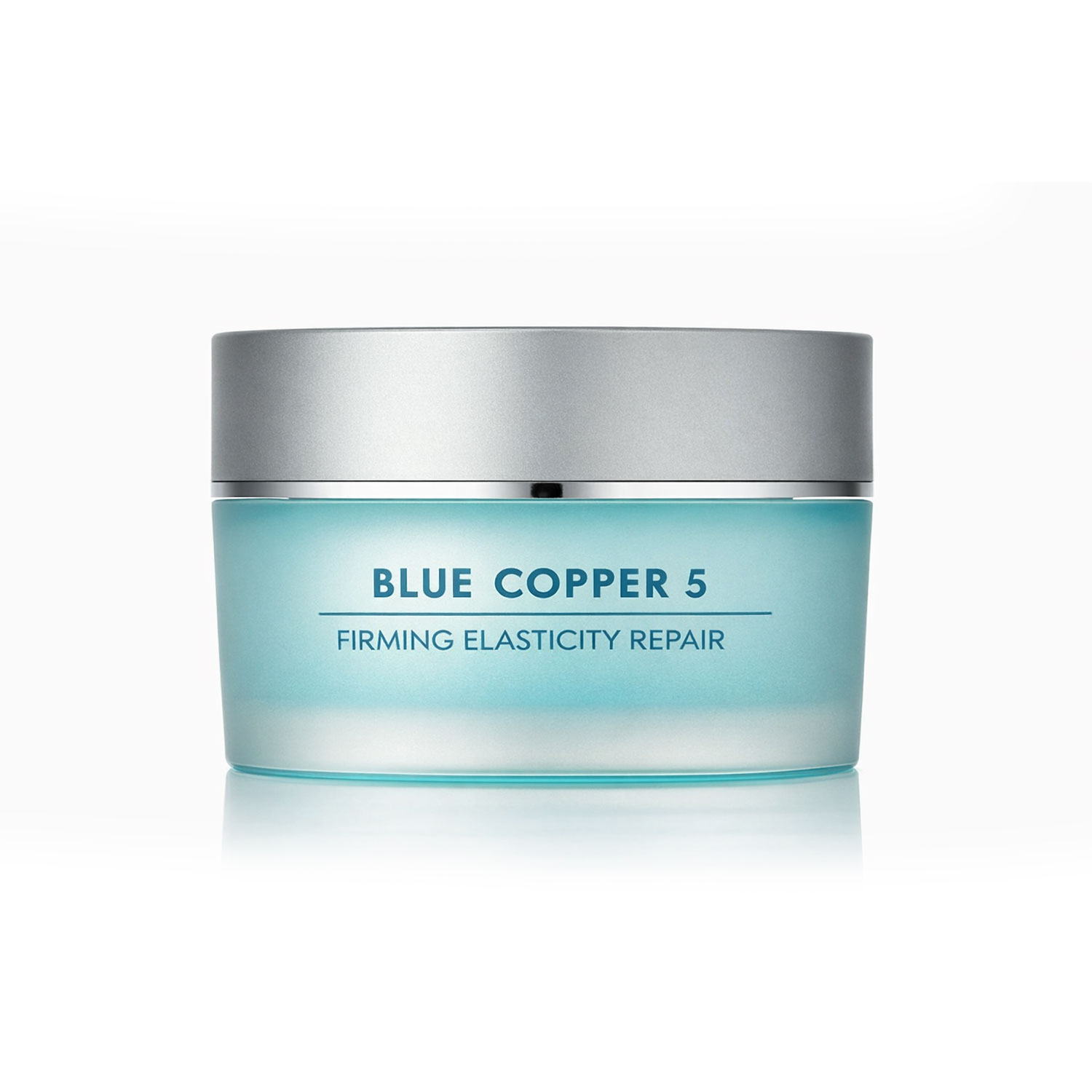
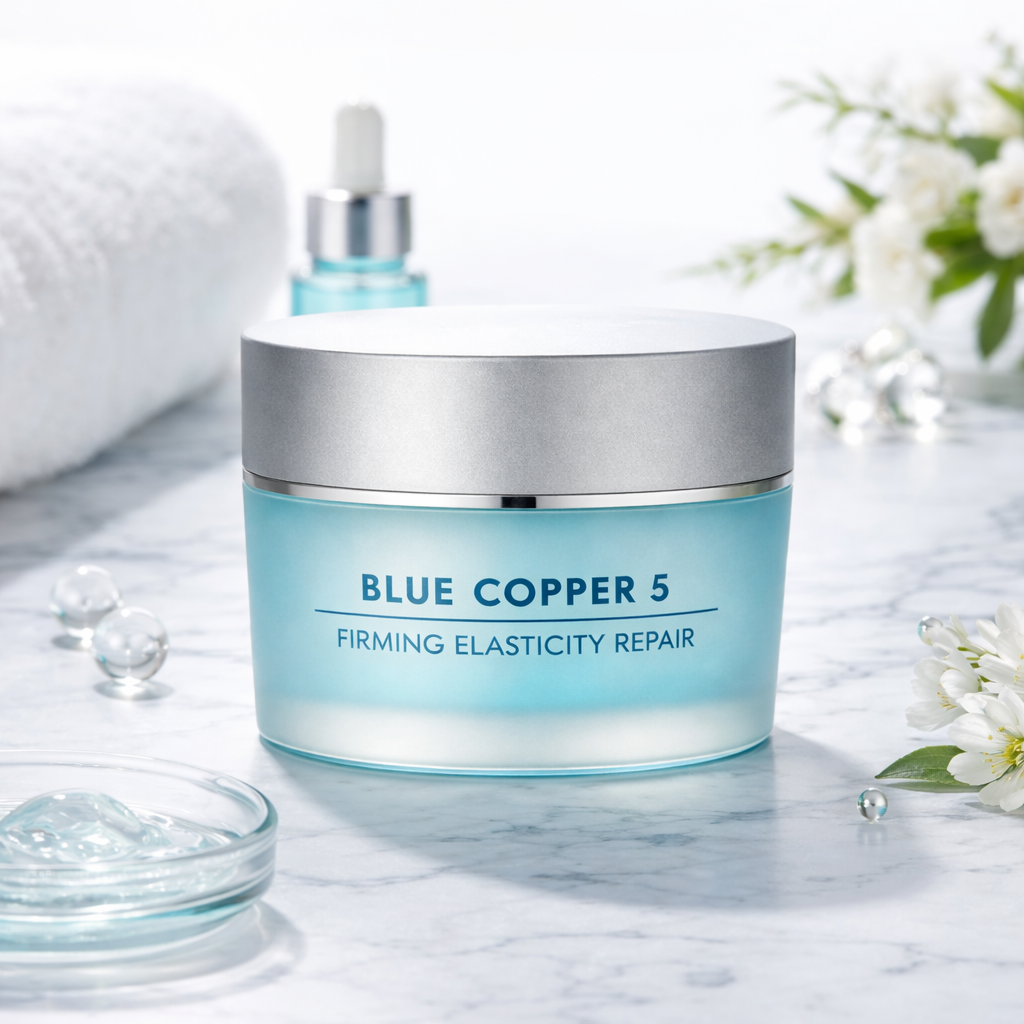
Review the cream and its intended container as one product. Useful sample checks include spreadability, fragrance, appearance after storage and how the cream dispenses from the chosen pack. A jar, bottle or tube should be selected for the approved texture and consumer routine. Before artwork, align the ingredient list, net contents and directions with that sample so the final presentation describes the product the buyer has actually evaluated.
For an enquiry, distinguish the tallow sourcing requirement from the desired copper-peptide positioning. Confirm the complete ingredient origins and selected formula before finalizing sourcing statements, product claims and artwork for the intended market.
| Product reference | 1601718572276 |
|---|---|
| Model | ps-282-win |
| Format | Cream |
| Packaging format | Bottle |
| Origin | Guangdong, China |
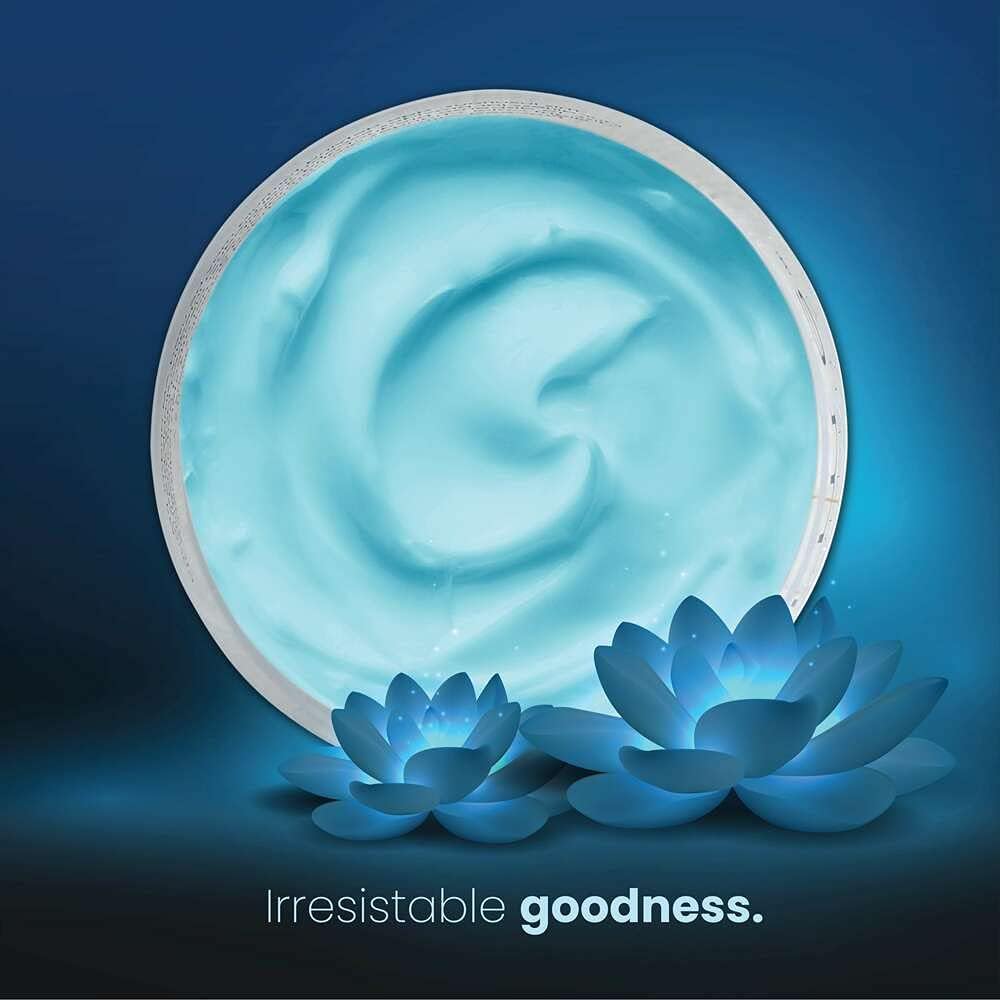
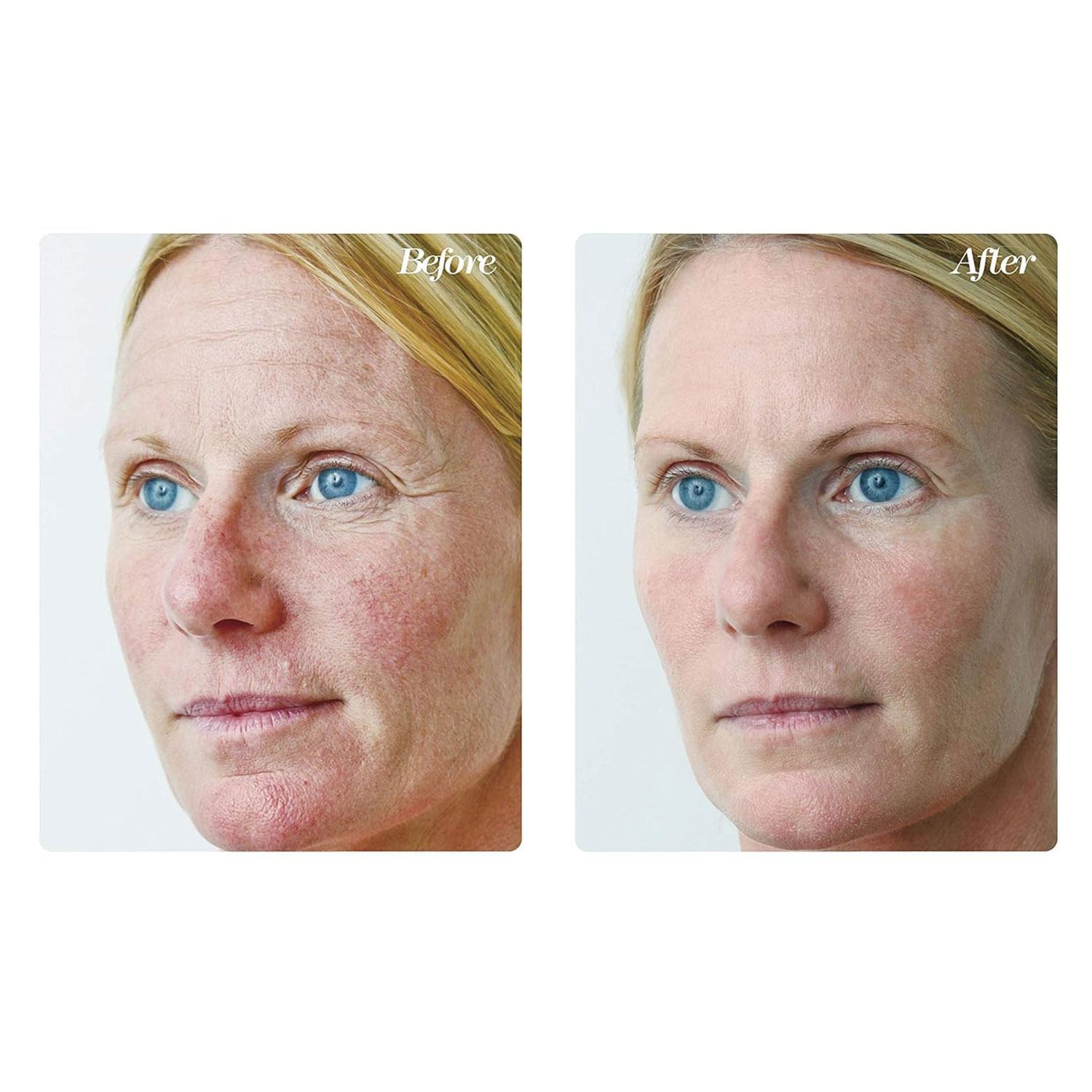




A formula containing beef tallow should not be presented as vegan. Confirm the complete ingredient origins and final formulation before approving animal-origin wording.
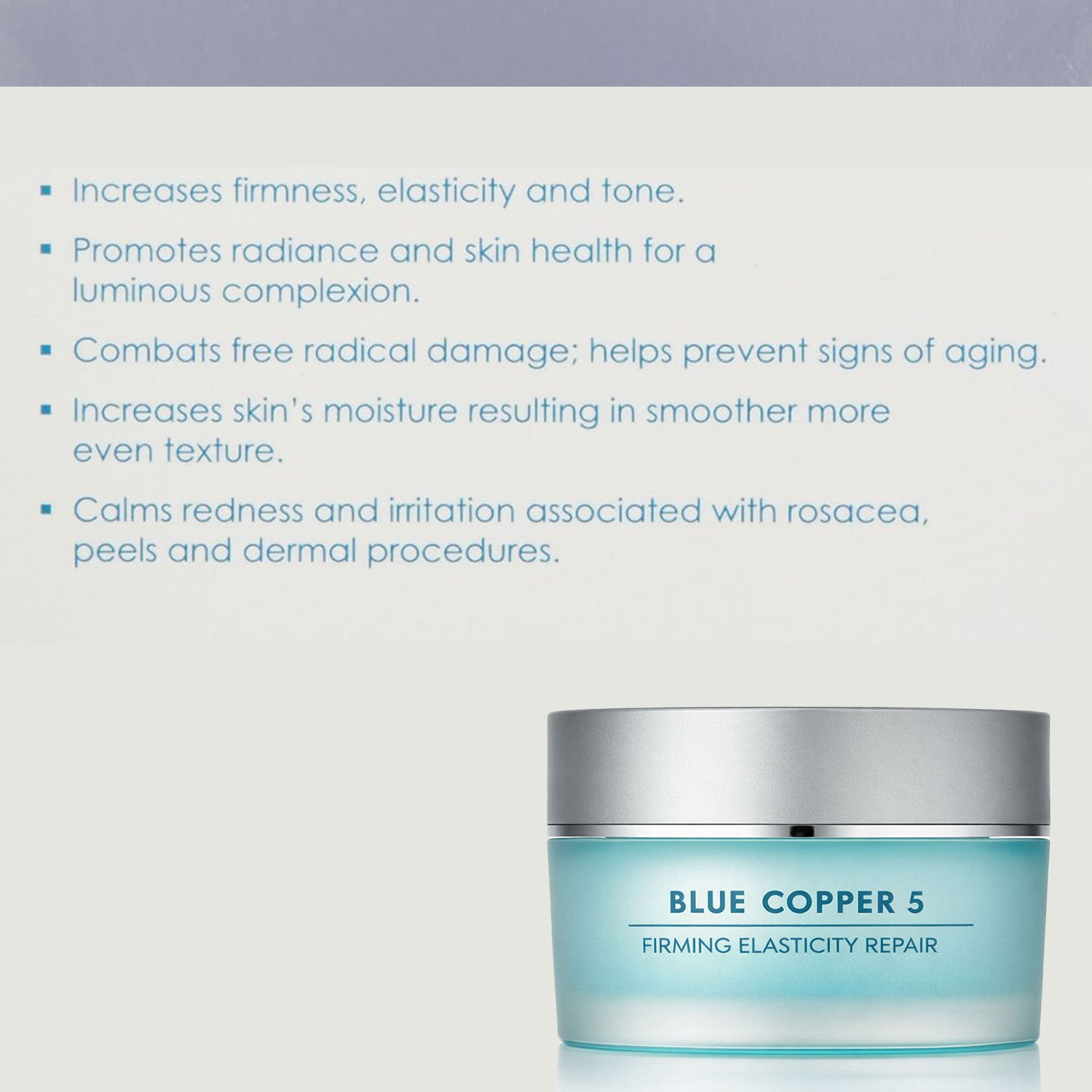
Confirm the exact copper-peptide INCI identity and specification for the approved formula before using a named peptide or concentration on the label.
Request ingredient sourcing documentation for the tallow used in the approved formula. The product title alone is insufficient evidence.