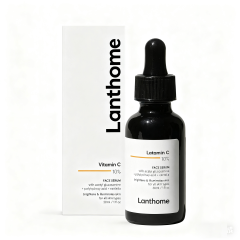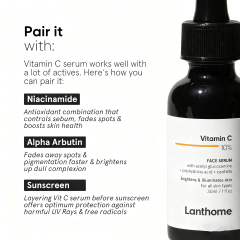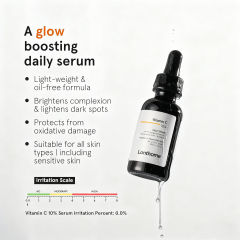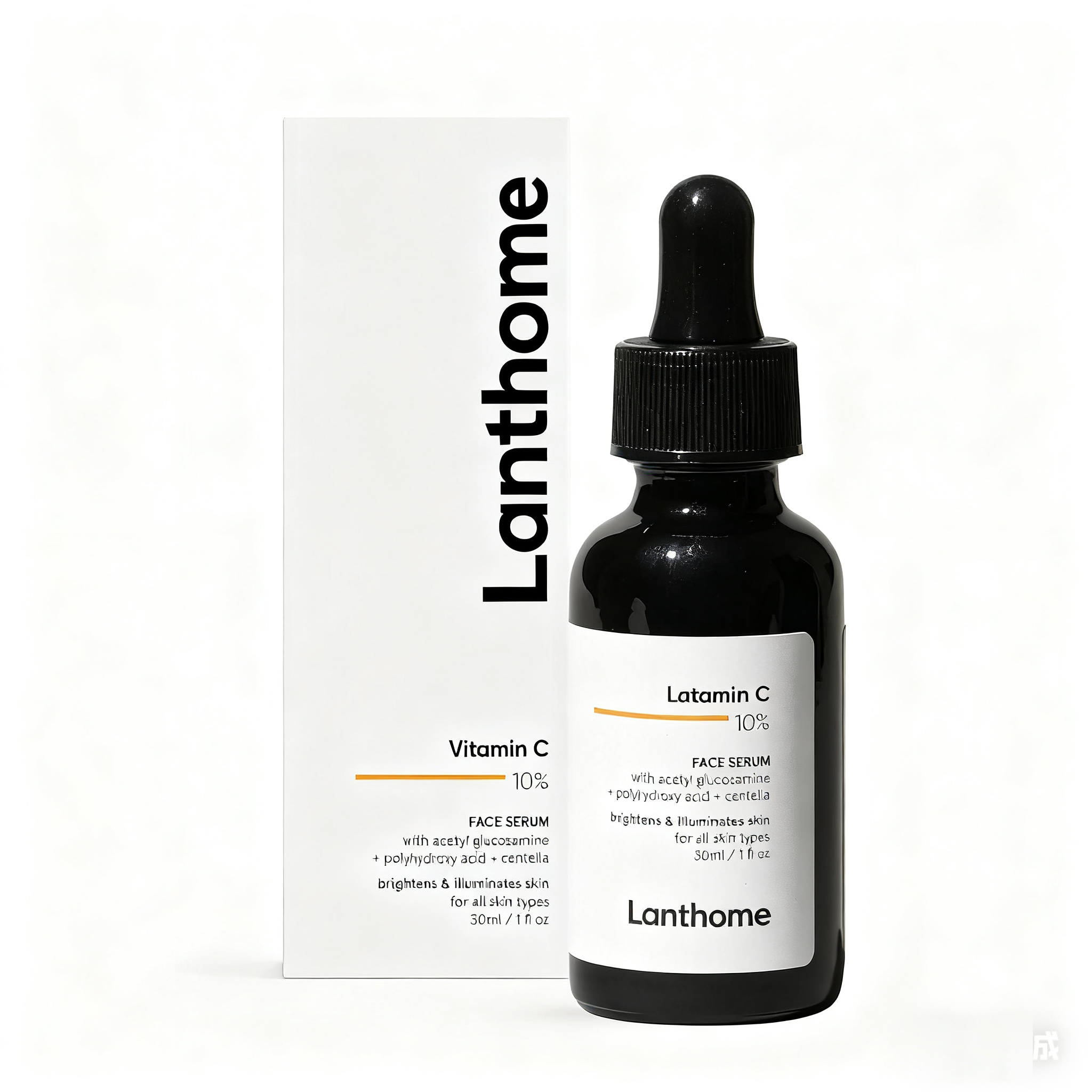
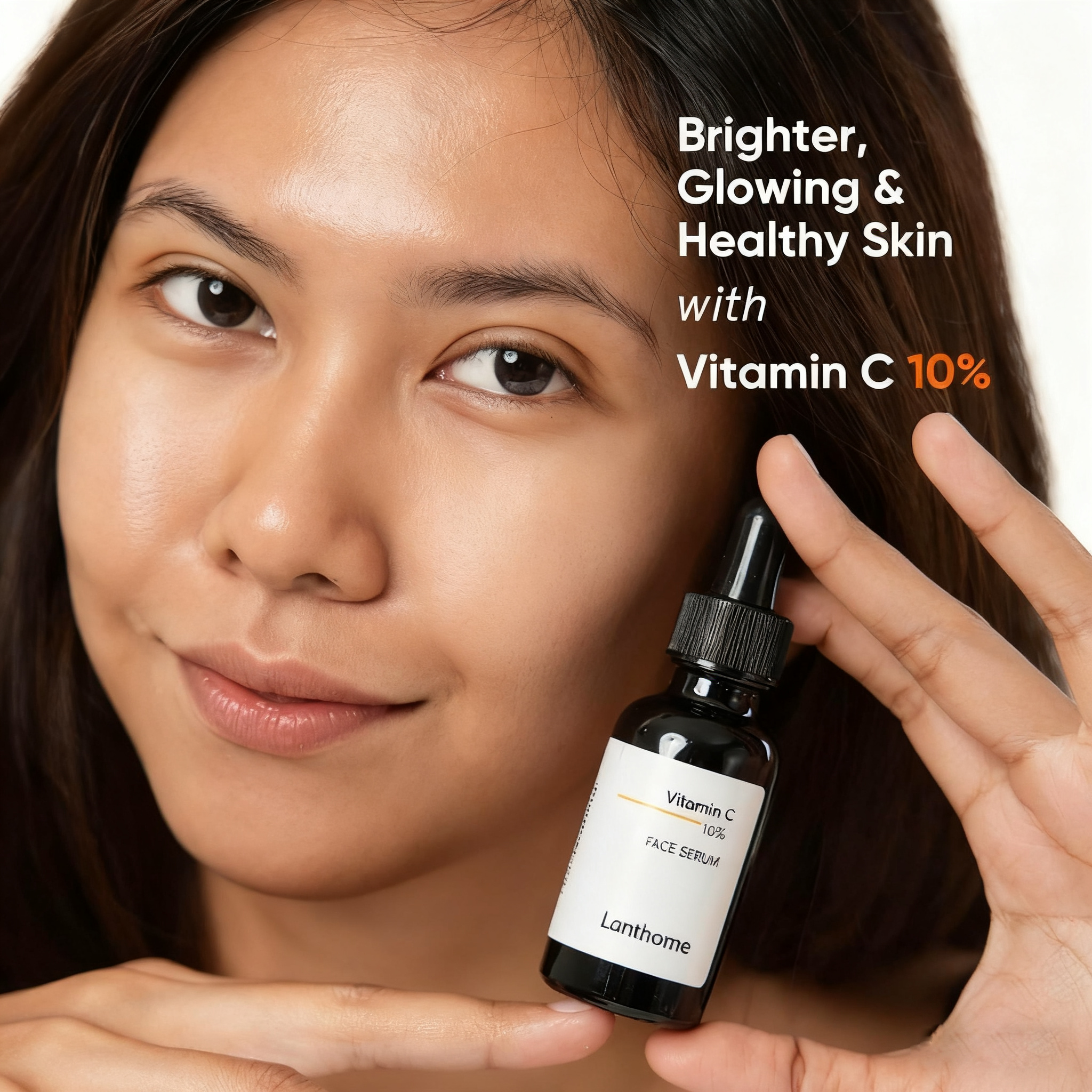
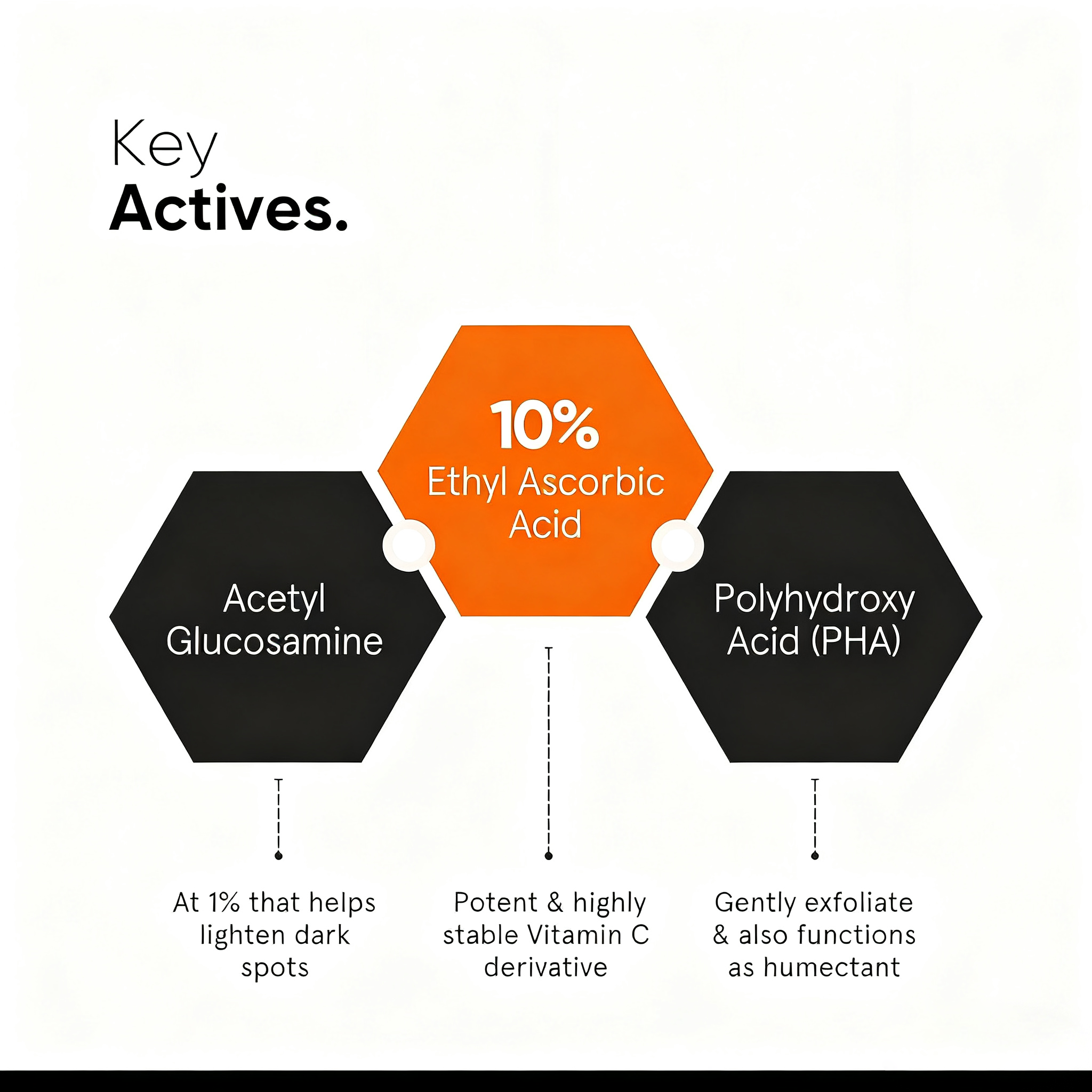
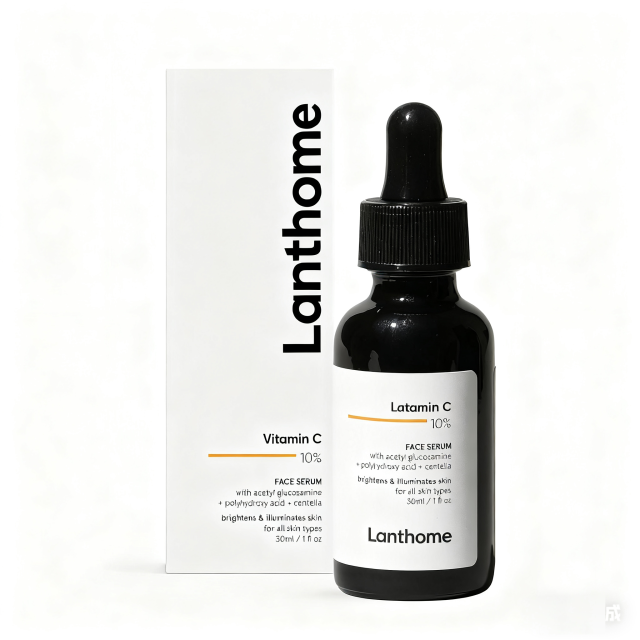
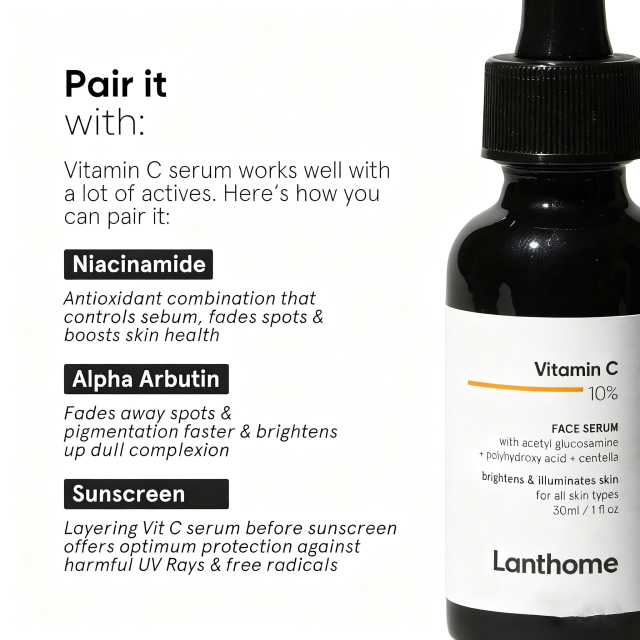
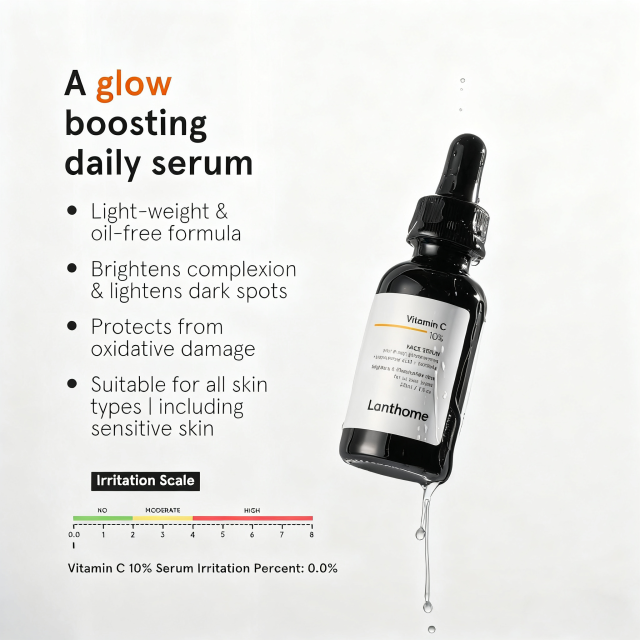
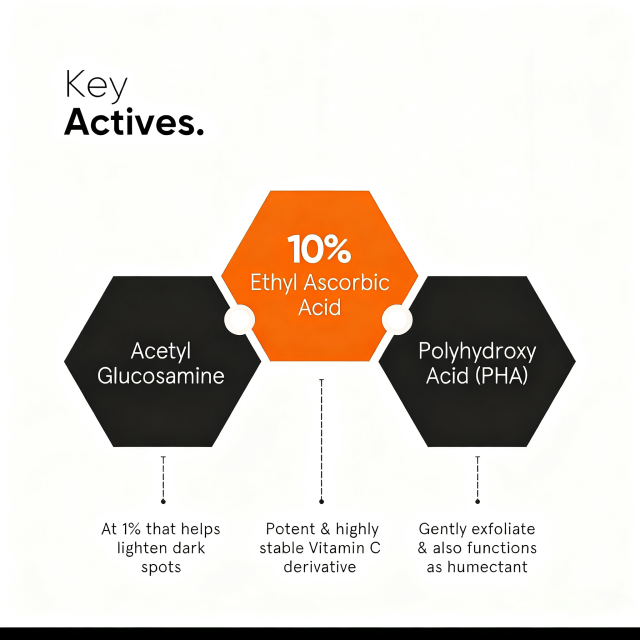
A liquid face serum concept combining the vitamin C, vitamin E and hyaluronic acid directions named in this listing. It gives skincare brands a starting point for a moisture-focused facial serum within a daily care range.
Compare the sample texture, finish and packaging with the rest of your range. The ingredient names describe the catalog concept; the final INCI list and concentrations belong to the selected sample.
For a private label enquiry, share your preferred product format, packaging direction and target market. Refer to this product page when requesting a sample so the formula and presentation can be matched to your project.
| Product reference | 1601583461491 |
|---|---|
| Model | CP46-SP |
| Application area | Face |
| Format | serum |
| Packaging format | Bottle |
| Origin | Guangdong, China |

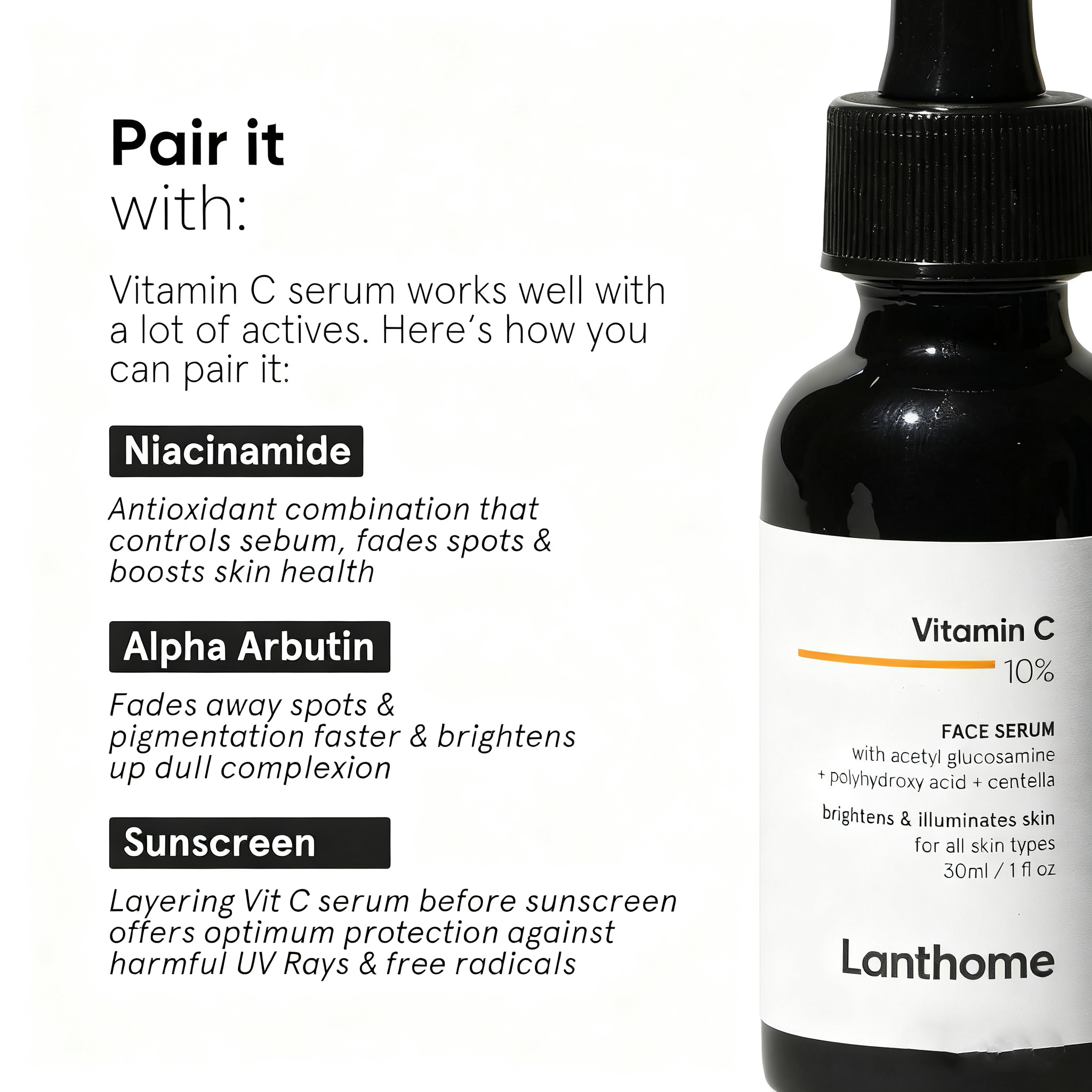
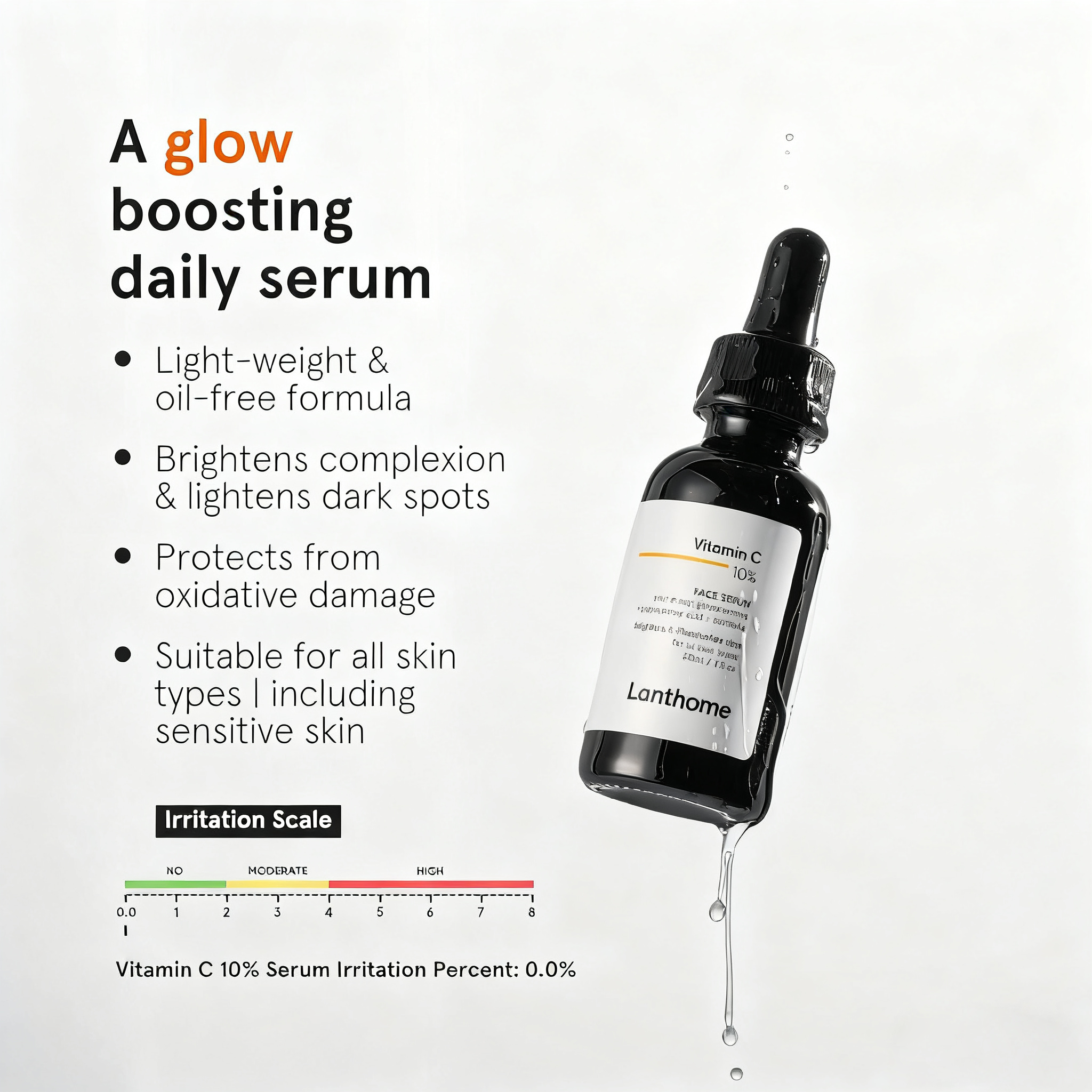
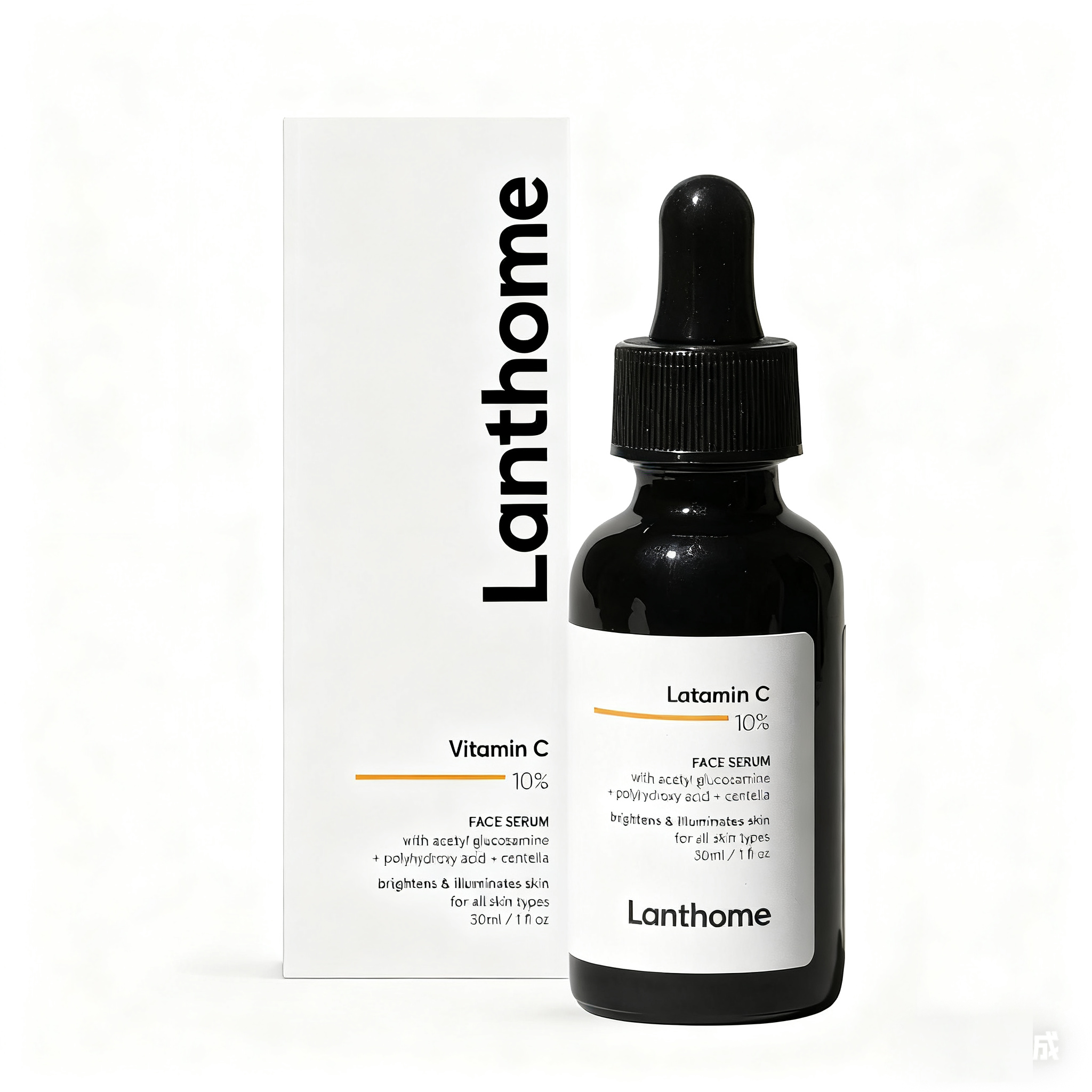
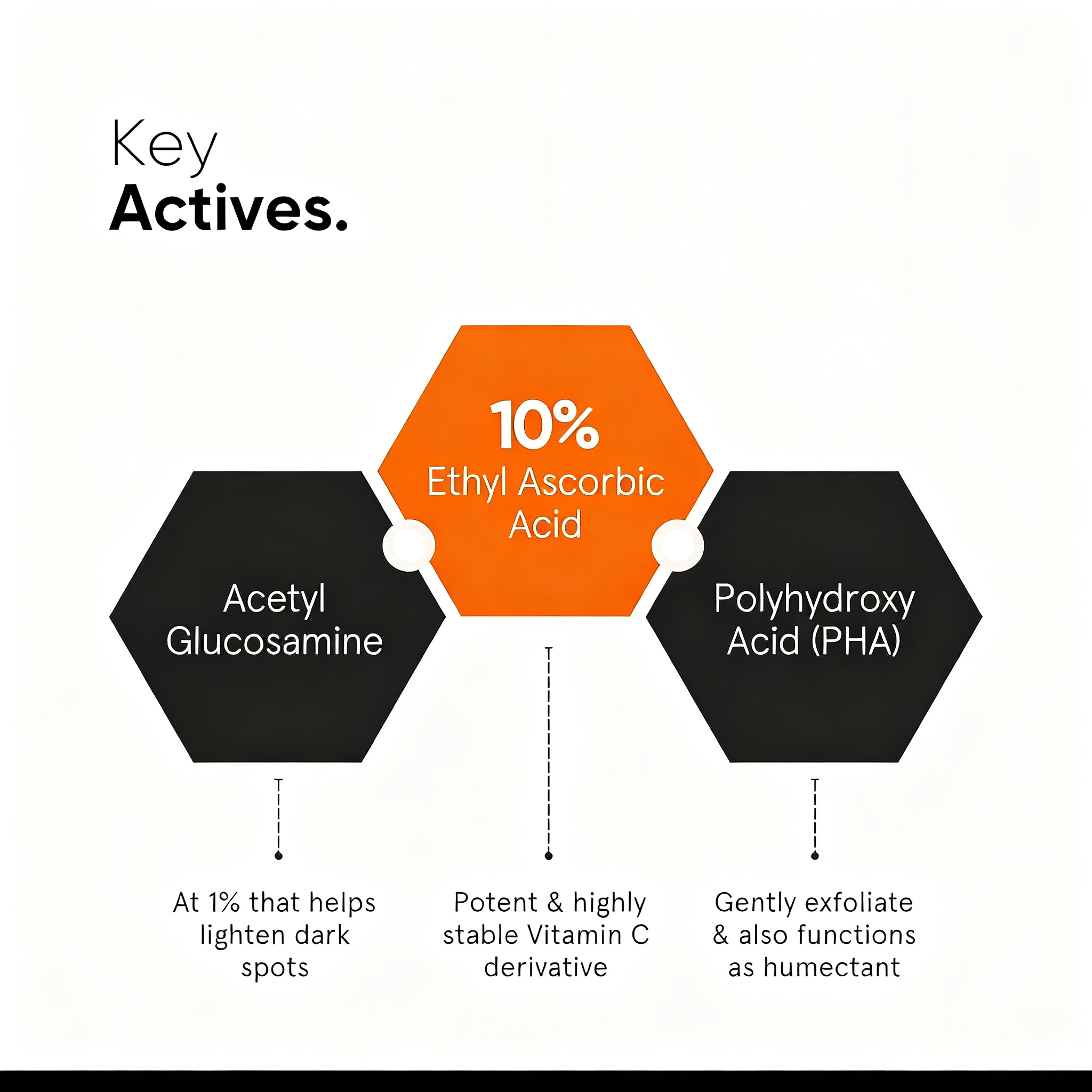



Yes. Both appear in the catalog title alongside hyaluronic acid. Request the complete ingredient list to identify their exact forms.
Evaluate the formula in the proposed bottle, including dispensing, closure and light exposure, before approving the packaging.
Build the label from the approved formula, intended use and evidence for the claims you select.
Start with the job this serum should perform in your assortment: its format, intended user, application sequence, sensory profile and packaging. Specify the target country and sales channel before choosing label wording. The catalog’s vitamin C, vitamin E and hyaluronic acid directions are starting points for discussion, not a complete formula or proof of a finished-product result.
| Planning decision | What the brand should provide | What to confirm with the supplier |
|---|---|---|
| Format and texture | Liquid, gel, oil or emulsion direction; reference texture | Which sample and process match the brief |
| Ingredient direction | Required ingredients, exclusions and claim priorities | Exact ingredient identities and complete approved INCI list |
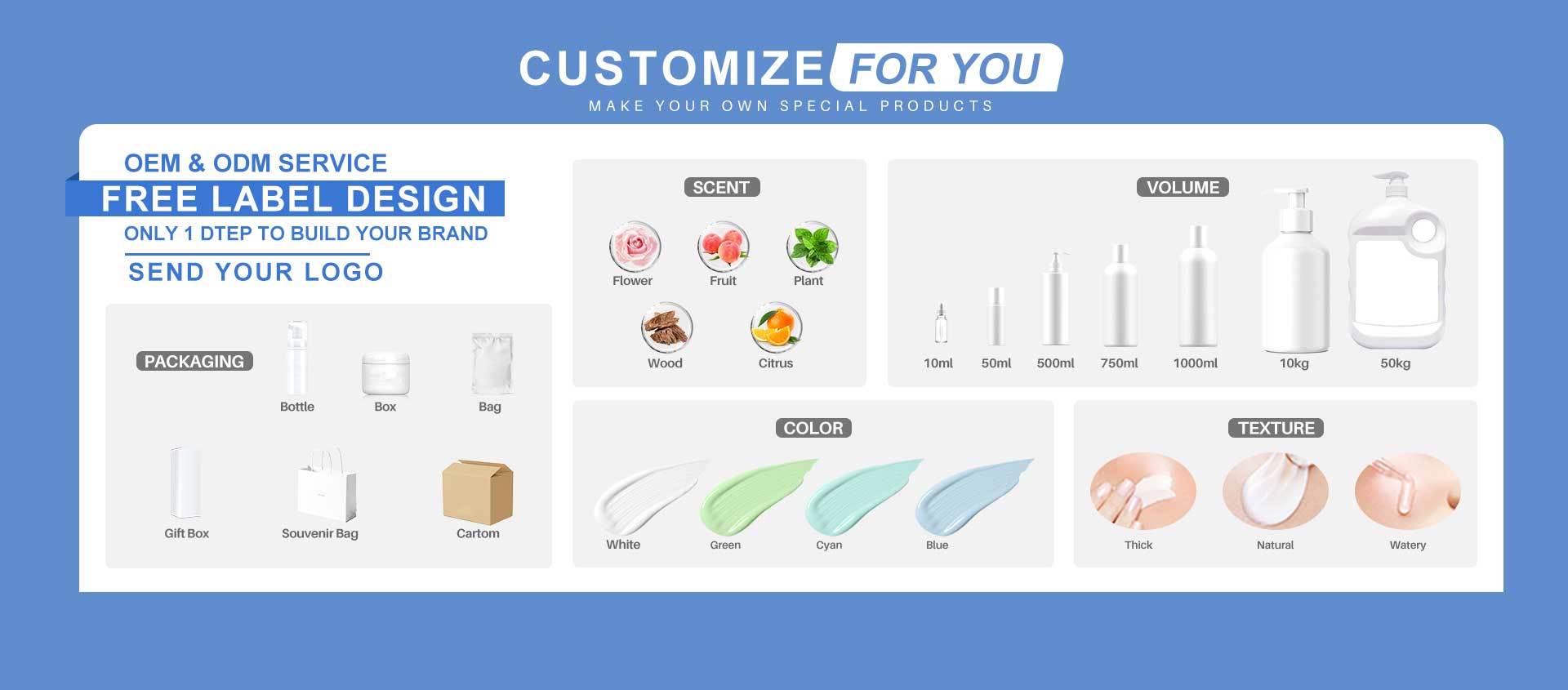
| Pack and use | Desired fill size, dispenser and application pattern | Available components and formula/pack evaluation |
| Commercial route | Trial versus launch quantity, budget and target timing | Sample, production and packaging minimums; itemized quotation |
Vitamin C, vitamin E and hyaluronic acid are named in this listing. Ask which ingredient forms are proposed in the sample and how the formulator evaluates them in the finished system. If a different ingredient direction is important to your brand, present it as a development request. Do not assume it can be added to the existing product without changes to texture, stability, preservation, packaging or the evidence plan.
Keep three columns in your brief: requested attribute, supplier-confirmed specification and evidence still needed. Concentrations should come from the approved formulation or written specification, not from unrelated catalog variants. Claims such as vegan, whitening or anti-aging in a catalog title should not be copied automatically onto the final label.
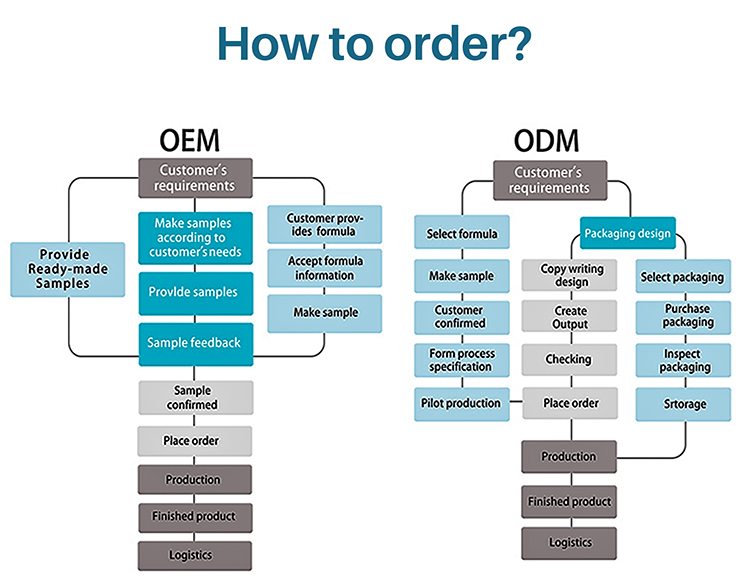
An existing sample can be a useful way to evaluate texture and presentation. Confirm which adjustments, if any, are available and whether the formula is shared. Custom development needs a defined scope: sample rounds, deliverables, rights, evaluation work and how changes affect the quotation. Ask whether the supplier is manufacturing directly or coordinating with a separate production entity.
For either route, retain a sample code and specification revision. A sample approved before a fragrance or packaging change should not silently become the reference for the changed product. Agree who decides whether another sample or evaluation is needed and how that affects timing.
Sensory feedback from a sample review is useful, but it is different from technical testing or claim substantiation. A pleasant texture does not prove a performance claim. The FDA cosmetics small-business resource provides U.S. safety and labeling background; confirm the evidence required for the actual product and market.
There is no universal best list. Begin with the intended cosmetic use, sensory target and market, then ask a qualified formulator to assess the proposed ingredients as a complete system. This page records a vitamin C, vitamin E and hyaluronic acid concept; the approved sample determines the final composition.
Ask the supplier to assess the proposed combination. The same formula in a different dispenser, closure or container may need additional review. Record any required sample or evaluation work before accepting a packaging change.
Send the product reference 1601583461491, destination, channel, desired format and fill size, ingredient requests, packaging direction, initial quantity and development stage. Ask for confirmed sample options, formula rights, minimums, costs and timing. Use the project inquiry page and consult the OEM/ODM workflow for the approval sequence.